Maria Awadalla
CAS ’26
Neuroscience
SA: American University in Cairo
PGS: Cairo as Palimpsest
Contact
Ask Me About…
My experience is unique because, as an Egyptian born in America, I had always been connected to my roots but through the lens of my parents’ perspective. Every 8 years, we’d visit Egypt, staying primarily in the village where my family is from. These visits were special but often limited to family time. However, my exchange semester in Egypt allowed me to break free from that, living independently in a city, and truly immersing myself in the culture. It gave me the freedom to explore Egypt beyond the village, experiencing city life, and connecting with my heritage in a new way.
During this time, my Arabic skills, though fluent, grew significantly. I practiced reading and writing in ways I had never done before, engaging with native speakers and learning the nuances of modern Egyptian dialects, especially slang used by my peers. I also learned to appreciate the humor of my generation, making my connection with the language feel more alive. This semester allowed me to discover a more authentic and personal relationship with Egypt, which was both eye-opening and empowering, especially in terms of connecting with my identity outside the context of my parents’ experience.
My Experience Abroad
My exchange semester in Egypt directly aligned with and enriched my academic goals, especially as a premed neuroscience student. At AUC, I had the chance to take classes that expanded my understanding of neuroscience and psychology beyond what I had previously learned. The university’s strong psychology department provided me with a deeper insight into the behavioral and neurocognitive sciences, which are central to my field. I also took a linguistics class that explored the neural and cognitive aspects of language, which is a fascinating intersection of neuroscience and psychology. It helped me understand how language processing works in the brain, something I had only studied in theory before.
A particularly memorable experience was conducting a Pavlovian experiment for one of my psychology courses. We successfully trained a dog to shake hands through conditioning, which allowed me to directly apply theoretical principles in a real-world context, reinforcing my understanding of classical conditioning and behavior.
Additionally, my time in Egypt provided a unique perspective on how different cultures approach neurology and psychology. It broadened my view on global medical practices and research, which will be valuable as I pursue my career. I was also in the process of applying to volunteer at the Magdy Yacoub Heart Foundation Clinic, which would have given me hands-on experience in a medical setting, further tying my academic goals with practical, real-world applications. The semester was the perfect opportunity to strengthen both my academic foundation and my commitment to pursuing medicine.
Other Highlights
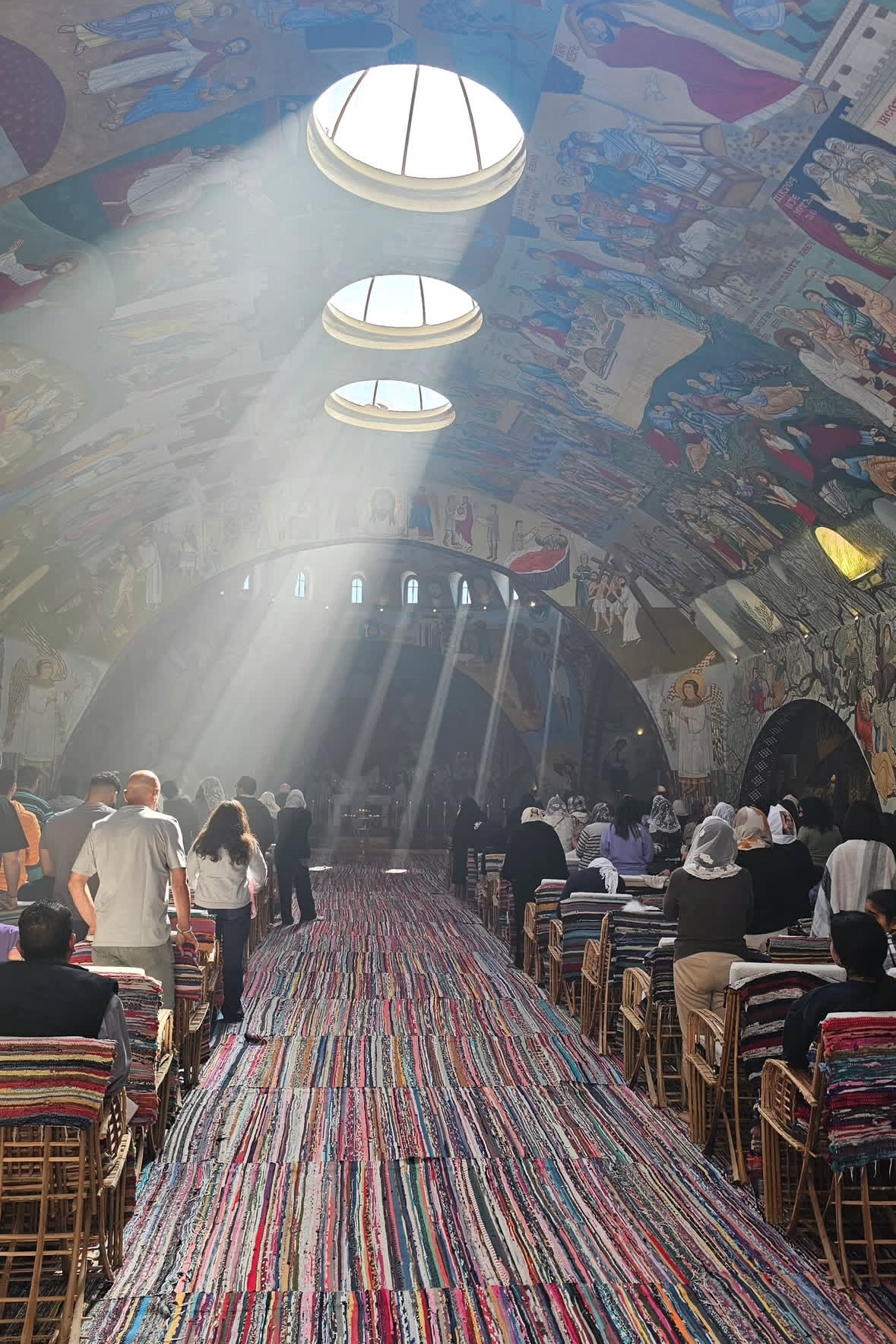
- Celebrating Coptic Easter with My Family: One of the most memorable highlights was getting to spend Coptic Easter with my family in my ancestral village for the first time. It was a deeply meaningful experience to celebrate this important holiday surrounded by family and in the place where my roots are. The sense of community and tradition was overwhelming, and it gave me a personal connection to my heritage in a way that I hadn’t experienced before.
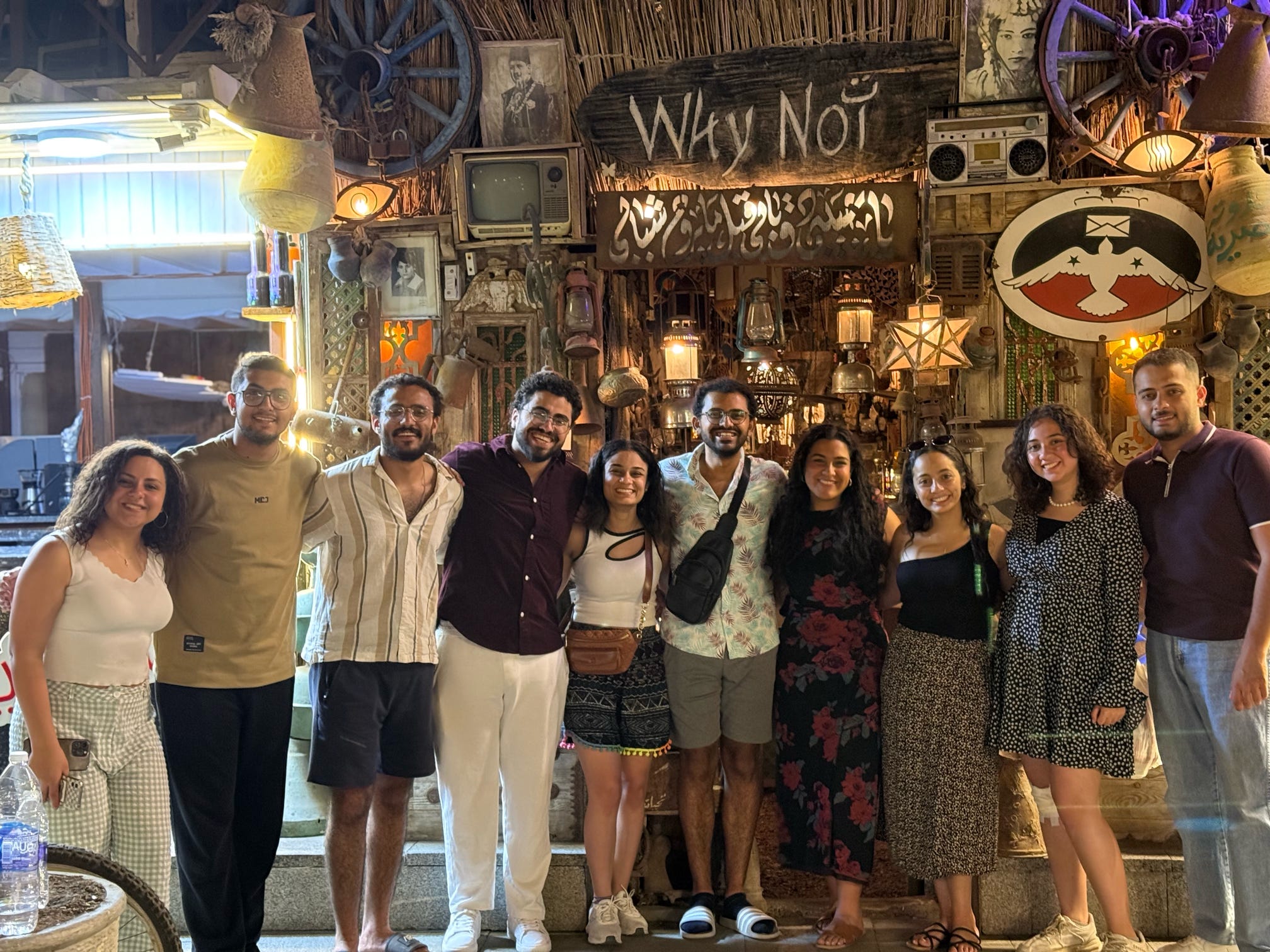
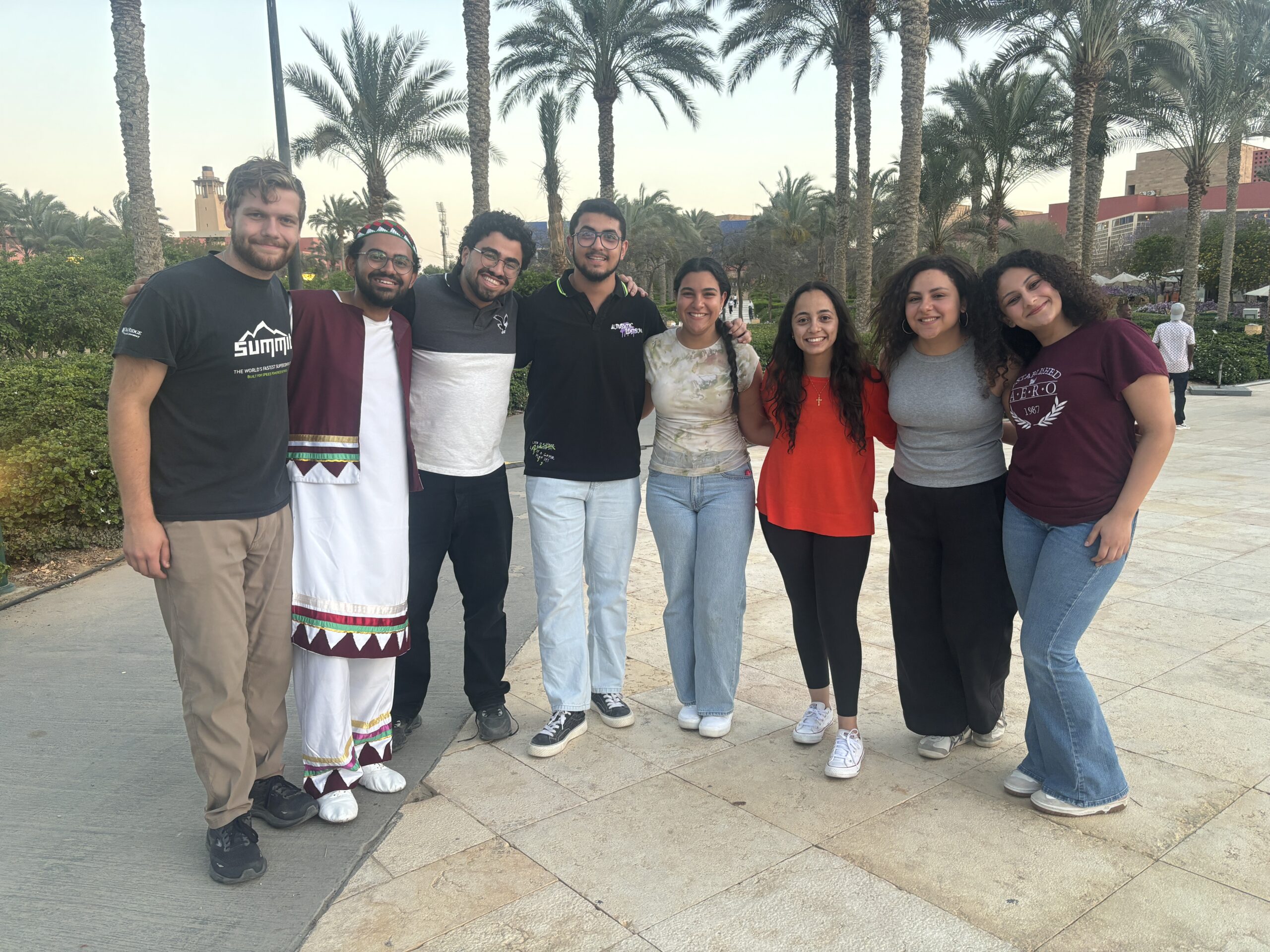
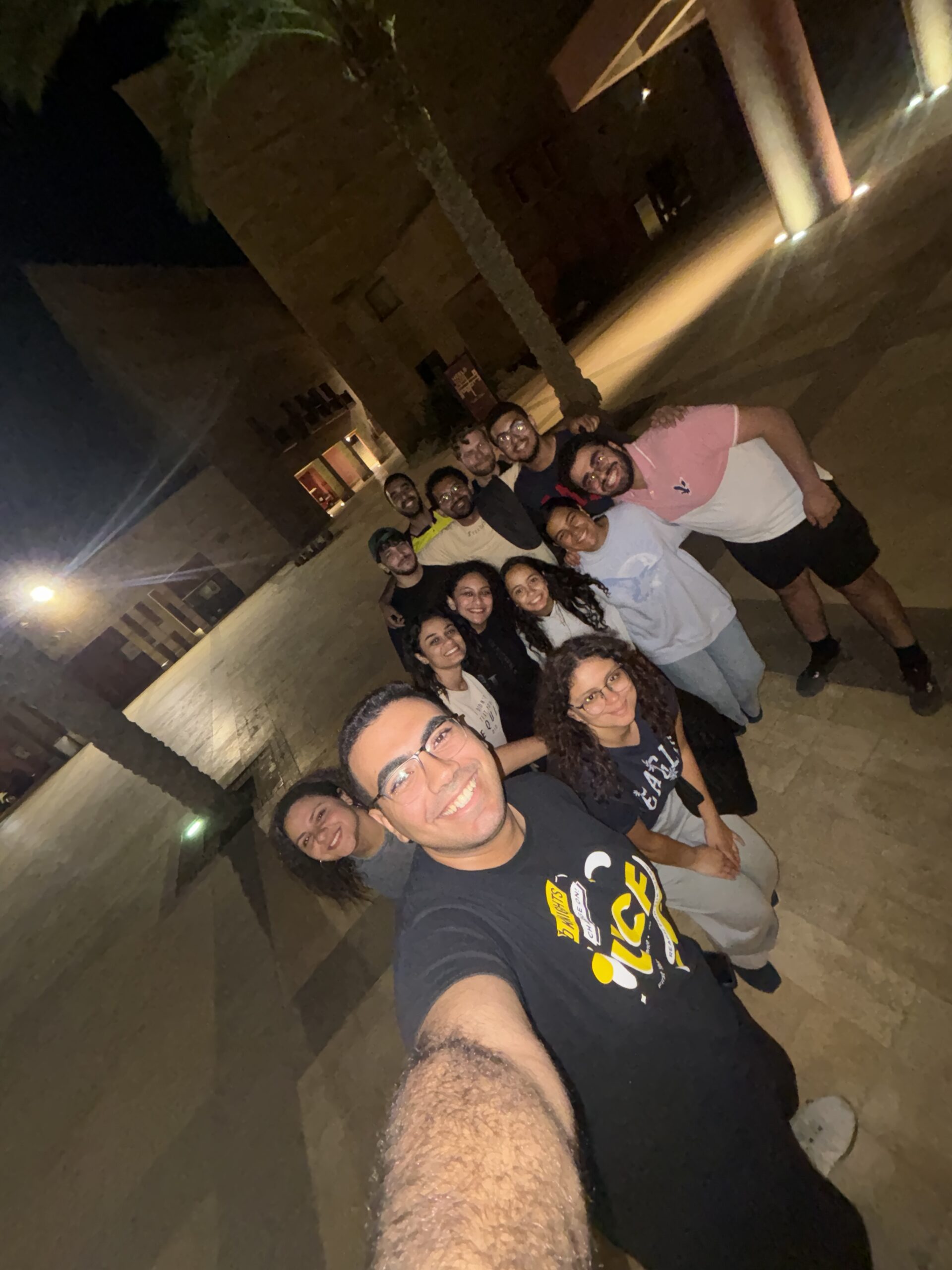
- Building Lifelong Friendships and Engaging in Thought-Provoking Conversations: Meeting native Egyptians and forming close bonds with them was a deeply enriching part of my experience. We spent countless hours studying together, walking through the beautiful gardens of AUC, and discussing a wide range of topics. One of the most eye-opening parts of our discussions was about the economic and social challenges young people face in Egypt. For example, inflation has made it increasingly difficult for young people to afford things like marriage, which has become a major issue in many communities. The cost of living, combined with the pressures of family expectations, creates a significant burden on younger generations. We also had many conversations about the desire of many Egyptians to immigrate to the US in search of better opportunities. While I initially saw this as a common aspiration for a better life, our discussions made me realize the complexities behind that desire. While it’s true that some people do have better prospects in the US, we also delved into the idea that, for many, the grass isn’t always greener on the other side. Through our debates, I came to understand the nuances of these decisions and the broader geopolitical issues at play. These conversations, especially about economic struggles and immigration, gave me a deeper insight into the challenges facing Egyptian society and allowed me to reflect on global issues in a more personal way.
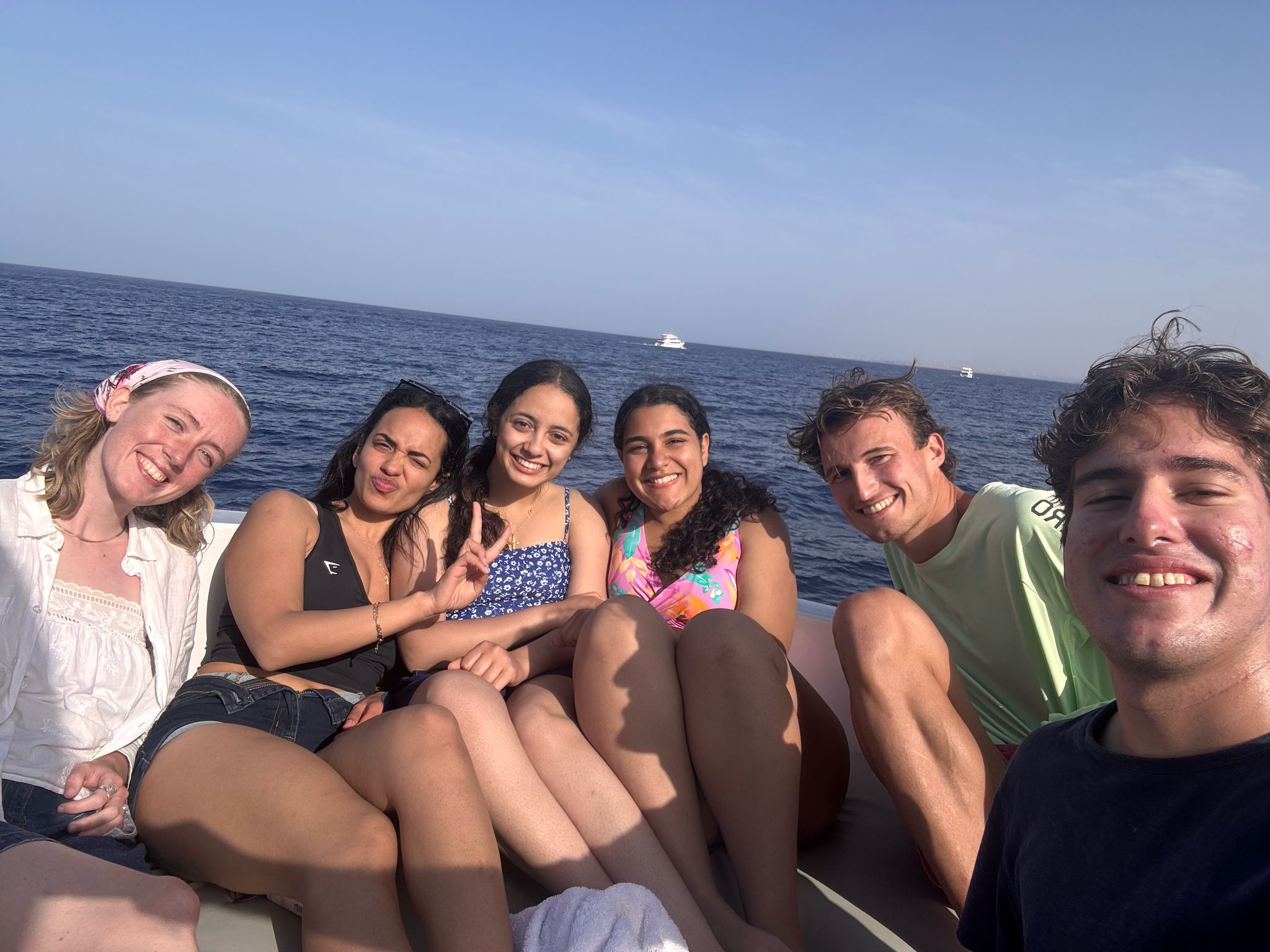
- Spring Break in Sharm El-Sheikh: Spring break in Sharm El-Sheikh was a perfect getaway, offering a chance to relax and explore one of Egypt’s most beautiful coastal cities. The beaches, crystal-clear waters, and vibrant marine life made for an unforgettable experience. It also allowed me to connect with fellow students outside of the academic environment, strengthening friendships while enjoying the natural beauty of Egypt.
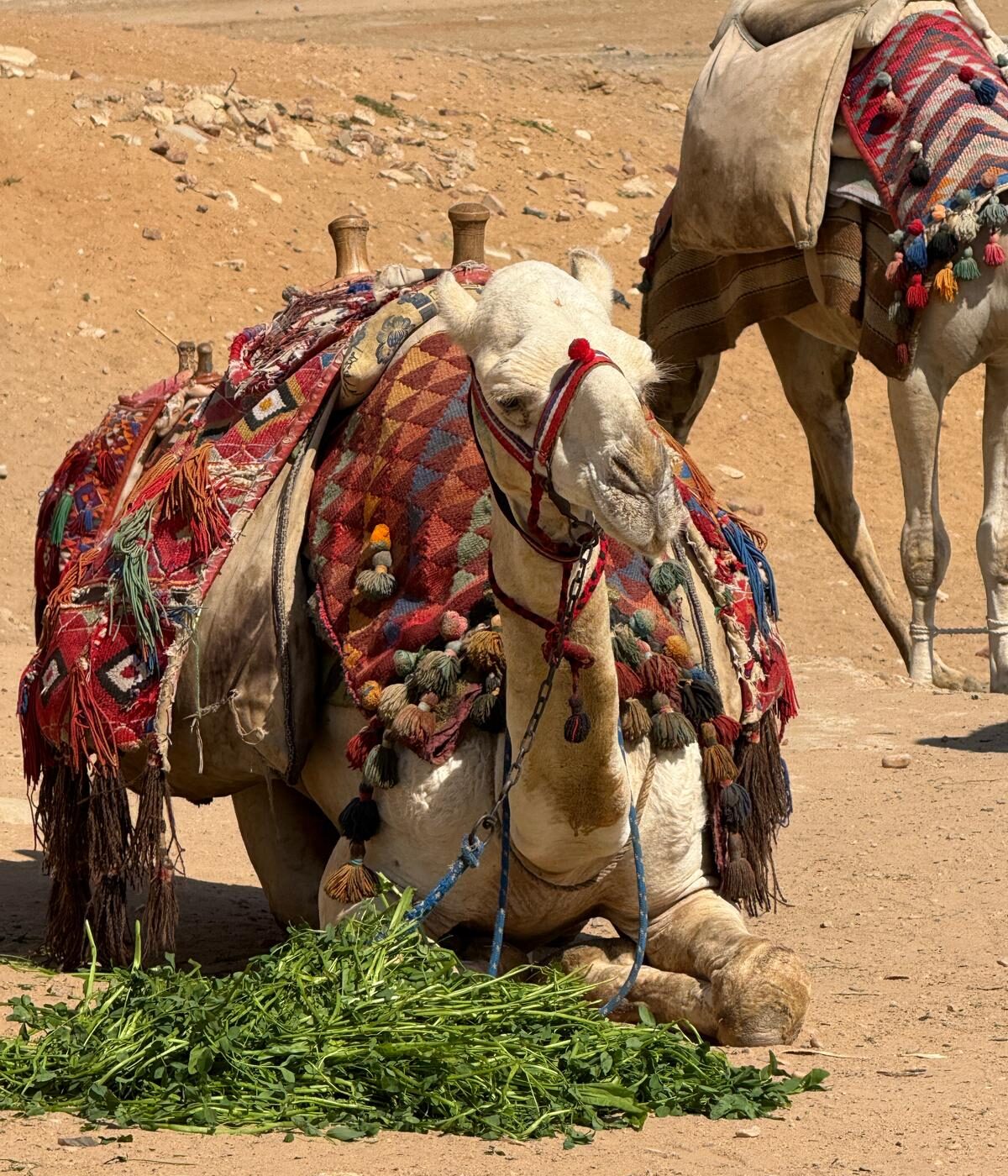
- Exploring Egypt’s Rich History: Visiting ancient sites like the Pyramids, Luxor, and the Egyptian Museum was awe-inspiring. I was able to witness firsthand the incredible history I had only read about in textbooks, which made it even more real and meaningful.
- Cultural Immersion: Overall, the entire experience was a deep cultural immersion. From the food to the local customs, to everyday life in Cairo, I gained a fuller appreciation of Egyptian culture—something I never would have experienced without living there and stepping outside my comfort zone.