

Course Offerings by Term
Applications for offerings in Spring 2027 courses will open and close in alignment with Advance Registration for Spring Term. You are invited to join our newsletter to receive course updates, reminders, events, and notices regarding application deadlines.
Winter Break 2026
Spring Break 2027
May 2027
Fall 2025 – Spring 2026
Course Archive
Travel Over Winter Break 2026
Exploring Traditional Chinese Medicine
Dr. Jianghong Liu; School of Nursing
Travel to China
This course introduces students to Traditional Chinese Medicine (TCM) as a specific form of Complementary and Alternative Medicine (CAM). The course will cover introductory principles on TCM theory, common therapies, and efficacy of this practice. The first component of the class will meet on-campus every other week through lectures, discussions, and demonstrations with Penn professors and experienced TCM practitioners. The cohort will participate in a local field trip in the Philadelphia area for clinical observation. The second part of the course will involve travel to Shanghai, China, in which there will be guest lectures by TCM professors and practitioners, clinical observations at Longhua Hospital affiliated to Shanghai University of Traditional Chinese Medicine, and other immersive experiences.
Global Business Communication for Impact
Sara Mangat and Camille Vallinino; The Wharton School
Travel to the United Kingdom
Limited to Wharton students; WH 2011 satisfies the requirement for WH 2010.
A concise email, a persuasive pitch, a strong presence—these are the skills that shape careers. But success in the U.S. doesn’t always translate abroad. What works seamlessly in a New York boardroom may fall flat in Singapore or require a different approach in Berlin. In a world where business spans industries, borders, and cultures, the ability to adapt how we communicate is essential for influencing decisions and driving meaningful outcomes. This interactive, practice-based course equips students with foundational business communication skills that are critical in the early stages of their careers and beyond. Through case studies and simulations, students will learn how to present ideas persuasively, navigate professional hierarchies, and respond to different cultural and organizational norms. The seminar culminates in an immersive international experience, where students will apply their learning in real-world settings. Through company visits, discussions with executives, and cultural exploration, students will gain firsthand insight into how communication practices vary across industries and regions.
Tropical Marine Ecology
Dr. Katie Barott, Department of Biology; School of Arts and Sciences
Travel to Bermuda
Tropical marine ecology explores the diversity and function of tropical marine organisms and ecosystems. Students will learn about the composition and functions of various coastal and marine ecosystems found in the tropics, including coral reefs, seagrass meadows, mangroves, salt marshes, and tidepools. A major focus of this course will be on coral reefs, which are among the most biodiverse and productive ecosystems in the ocean. The course will also explore the physical and biological processes that shape life in tropical marine ecosystems, as well as how these ecosystems both support and are affected by human activities from the local to global level. Weekly lectures will provide a background overview of each topic and will be followed by small group discussions that explore a subject in depth. Finally, students will have the opportunity to explore the intersection of their own interests and background with tropical marine ecology by developing an oral presentation and research paper on a topic of their choosing. The classroom component will be complemented by a field expedition to the island of Bermuda, where students will observe these tropical marine ecosystems firsthand and compare the biodiversity of the flora and fauna across the many different coastal and marine habitats of Bermuda. While in Bermuda, students will also participate in restoration activities to help protect native species and visit cultural sites that explore the link between the marine ecosystems of the island and the economy and culture of the local community.
Travel Over Spring Break 2027
Cairo as Palimpsest
Fayyaz Vellani, Critical Writing Program; School of Arts and Sciences
Travel to Egypt
Fulfills Writing Seminar Requirement. Priority will be given to first-year students, but all students (except graduating seniors) who have not yet taken a writing seminar are eligible to apply.
This first-year writing seminar provides in-depth engagement with Cairo through an examination of its cultural and geopolitical landscapes. Based on the concept of the palimpsest in urbanism, this course studies contemporary Cairo with a view to tracing the multiple layers of history which permeate the city. With more than 21 million inhabitants, Metropolitan Cairo is the most populous urban agglomeration in Africa, the most populous Arab city, and the sixth-largest city in the world by population. Founded by the Fatimid Caliphate in 969, Cairo has been a seat of power for empires including the Ayyubids, Mamluks, Ottomans, French, and British. Each of these eras has left an indelible mark on Cairo, suffusing the city with a richly cosmopolitan flavor. Greater Cairo is home to world-famous monuments including the Giza pyramid complex, the ancient city of Memphis, numerous Islamic architectural splendors, and Belle Epoque-style grand boulevards. This course examines the intersection of these various facets of Cairo, including visits to the sites, connecting the city’s cultural scene to its multi-dimensional, living history.
Armenia: Remaking State and Nation After Communism
Rafael Khachaturian, Critical Writing Program; School of Arts and Sciences
Travel to Armenia
Fulfills Writing Seminar Requirement. Priority will be given to first-year students, but all students (except graduating seniors) who have not yet taken a writing seminar are eligible to apply.
This writing seminar will focus on the legacies and dilemmas that arose out of the historical experience of the Soviet Union. The breakup of the Union of Soviet Socialist Republics in 1991 fragmented the institutional, cultural, and social ties forged during the seventy years of its existence. More than thirty years after the fifteen constituent republics of the USSR went their separate ways, the legacy of Communism, the form taken by the transition to capitalism, the meaning of nationality and nationhood, and the unfulfilled expectations of “democracy” are all still debated in the public spheres of the post -Soviet states. Our class will study and discuss these issues, with students identifying and pursuing more specific questions that interest them concerning this topic, as they hone their research and writing skills in the process. The course will culminate in a trip to Armenia—a country with an ancient historical heritage that experienced the dramatic upheavals of revolution, genocide, and war in the twentieth and twenty-first centuries. Through immersion in the myriad cultural activities of the capital Yerevan and the surrounding regions—museums, archeological and cultural heritage sites, musical performances, film screenings, university lectures, dining experiences, and others—we will reflect on questions of history, memory, and nation-(re)making in the shadow of the Soviet past.
Sustainable Development and Culture in Latin America
Dr. Teresa Giménez, Department of Spanish and Portuguese; School of Arts and Sciences
Travel to Costa Rica
This interdisciplinary course offers students an exploration of the three dimensions of sustainable development—environmental, economic, and social—within the context of Latin America. The course integrates this analysis of sustainable development with a focus on cultural sustainability and the cultural practices associated with peyote and coffee. We delve into their rich, traditional heritage and their significance in literature, film, and the arts. Moreover, the course provides students with a unique opportunity for experiential learning through a one-week immersive experience in Costa Rica. During their time in Costa Rica, students gain a firsthand understanding of the biodiversity found within coffee fields and delve into the scientific aspects of coffee production. This immersive trip is designed to augment the course by incorporating additional experiences that broaden students’ comprehension of sustainability, particularly within the crucial tourism sector, which has a significant impact on Costa Rica’s sustainability efforts.
The Material Landscapes of Mediterranean Islands, Scientific Approaches
Drs. Jason Herrmann and Vanessa Workman, Center for the Analysis of Archaeological Materials (CAAM), Penn Museum & Department of Classical Studies; School of Arts and Sciences
Travel to Italy
This course introduces central themes in Mediterranean archaeology through the distinctive perspective of island worlds, from the earliest human settlements to ca. 1000 CE. Lives on Mediterranean islands were shaped by dynamic tensions between maritime isolation and connectivity, uneven access to natural resources, and the advantages and vulnerabilities of their positions within networks of trade and conquest. Hands-on experiences with the Penn Museum’s archaeological collections and with scientific methods and technologies will give students a backstage view of how archaeologists reconstruct the ancient landscapes, lifeways, and materials of people across the Mediterranean Sea. The course culminates in a week-long field study in Sicily, the island case study for this year. During this excursion, we will directly encounter the “Connected Mediterranean” and examine the internal and external forces that shaped ancient island societies. Together we will visit archaeological sites and collections, traverse the landscape, taste local cuisine, and stand inside settlements influenced by successive regional powers such as the Elymians, Phoenicians, Greeks, and Arabs. No prior coursework in History, Archaeology, or the Sciences is required.
Bicycles: The Mechanical Advantage
Dr. Dustyn Roberts, Department of Mechanical Engineering and Applied Mechanics; School of Engineering and Applied Sciences
Travel to the Netherlands
This interdisciplinary course combines bicycle design, engineering, and service learning to provide students with a comprehensive understanding of the history, evolution, and impact of bicycles on society and the environment. Through hands-on projects, community engagement, and class discussions, students will develop bicycle design and engineering skills, gain practical experience and exposure to bicycle repair and maintenance, explore the impact of bicycles and related technologies on society and the environment, and understand the role of bicycles in sustainable urban mobility and planning. This course will also have an Academically Based Community Service (ABCS) designation through the Netter Center for Community Partnerships.
Before Netflix: The Past and Present of Latin American Television
Dr. Juan Llamas-Rodriguez; Annenberg School for Communication
Travel to Mexico
Since the mid-20th century, the telenovelas, newscasts, and variety shows produced by Televisa in the capital city of Mexico have traveled across the rest of the Spanish-speaking countries in the Americas. In the first half of the course, we analyze this history by considering how technological developments, industry practices, and programming trends resonated across different countries, as well as how audiences created (or resisted) a sense of “Latin American” identity through their television consumption practices. In the second half of the course, we look at the current state of television as it has been shaped by globalization, digital media, and new social movements. In particular, we are concerned with how streaming platforms such as Netflix have (and have not) disrupted longstanding practices while introducing new ideas into the television mediascape. Course content will consist of reading economic, social, and cultural studies of television and analyzing the content of historically significant TV shows and newer original series.
Perspectives in Afro-Luso-Brazilian Culture
Dr. Mércia Flannery, Department of Spanish and Portuguese; School of Arts and Sciences
Travel to Brazil
This interdisciplinary, English-taught survey course introduces students to the cultures, histories, and contemporary debates of the Portuguese-speaking world, including Brazil, Portugal, and former Portuguese colonies in Africa. Drawing on perspectives from history, cultural studies, literary analysis, and sociolinguistics, the course examines how Portuguese imperial expansion shaped enduring cultural, racial, and linguistic formations across multiple continents and how these legacies continue to influence social relations and political discourse today. A central component of the course is an experiential learning dimension in Brazil. Students will complement classroom discussions with guided visits to historic and cultural sites in Rio de Janeiro and colonial towns in Minas Gerais, allowing them to engage directly with spaces marked by Portuguese colonization, the transatlantic slave trade, and postcolonial cultural production. Through a combination of lectures, discussion-based seminars, primary-source analysis, and student-led discussions, the course explores major themes such as colonialism and racial formation, resistance, and the circulation of artistic and intellectual traditions within the Lusophone world. Students will also engage with current debates surrounding inequality, postcolonial reckoning, and globalization, while situating Lusophone societies within broader global conversations. By the end of the course, students will be able to identify and discuss key historical figures, cultural movements, and thematic concerns within Portuguese-speaking societies, and to critically assess the lasting impact of Portuguese colonialism on language, race, and culture. Students will also gain transferable skills in global cultural analysis and comparative thinking relevant to fields such as international studies, history, anthropology, public policy, law, education, and the arts. Students who wish to apply this course toward the Portuguese Certificate may submit their final research paper in Portuguese.
Travel in May 2027
Disability Rights and Oppression: Experiences within Global Deaf Communities
Dr. Jami Fisher, Department of Linguistics; School of Arts and Sciences
Travel to Italy
This course explores the linguistic and social statuses of global Deaf communities to understand the specific experiences of Italian deaf people and their quest for national recognition of their sign language (LIS). Topics to be explored include the following: an overview of the cultural model of being deaf; the social and historical underpinnings of deaf people’s oppression and marginalization by hearing people; social construction of deafness as disability and Deaf-as-asset (Deaf-Gain); sign language as a human right; and language policy and practice as it relates to Deaf people’s access to or restriction from learning a sign language as a first language. We will use first-hand accounts via text and film to elucidate a variety of global Deaf perspectives. After the conclusion of the semester, we will travel to Italy to engage with Italian Deaf community members to understand and support their efforts toward achieving parity with hearing Italians. Travel to Italy will bring the theoretical topics discussed in the semester to life via the following experiential activities: academic and social interactions with Italian Deaf community members; visits to sites important to Italian Deaf people and their history; intensive beginner LIS instruction to facilitate direct conversation with Italian Deaf community members. No previous sign language experience is required to take this course.
The Great War in Memoir and Memory
Dr. Warren Breckman, Department of History; School of Arts and Sciences
Travel to France
For all who passed through it, the Great War was transformative, presenting a profound rupture in world history and personal experience alike. It was a war that unleashed an unprecedented outpouring of memoirs and poetic and fictional accounts written by participants. In its wake, it also produced new forms of public commemoration and memorialization—tombs to the unknown soldier, great monuments, soldiers’ cemeteries, solemn days of remembrance, and the like. One hundred years after World War One, this course will explore the war through the intersection of these processes of personal and public memory, focusing on the Western Front. This will not be a seminar in military or diplomatic history, but rather an exploration of personal experiences of the War, representations of experience, and the cultural and political dimensions of memory. Travel to France will include visits to preserved battlefields, various national war monuments, and several WWI museums, as well as opportunities to interface with French historians, museum directors, and local residents.
Embodying Calabria’s Past, Present, and Future
Dr. Amanda Dilodovico, Critical Writing Program; School of Arts and Sciences
Travel to Italy
Fulfills Writing Seminar Requirement. Priority will be given to first-year students, but all students (except graduating seniors) who have not yet taken a writing seminar are eligible to apply.
This course explores Calabria through a series of cultural performance practices: music, dance, and the everyday performance of making and sharing food to facilitate ‘good health’. We will ground ourselves in the performance practice of the tarantella, a form of dance and music that historically also served a medicinal purpose to cure the body through movement. We will read Global Tarantella: Reinventing Southern Italian Folk Music and Dances by Incoronata Inserra to consider the impact of the transmission of the tarantella on constructions of femininity, curative medicine, and migration in contemporary Southern Italy. We will use Inserra’s text to explore historical and contemporary understandings of ‘the other’ in Italian culture, a symbol of fear and resistance that re-emerges in times of increased migration from antiquity (Greek relations in Reggio Calabria) to the present (the growing migrant workforce on the Western coast). Students will research and write about communities in Calabria affected by climate change, financial austerity, and failures to create accessible pathways to historical preservation. As a Penn global seminar, we will then travel to these communities in Reggio Calabria, Vibo Valentia, and Catanzaro to experience Calabrese culture through participating in folk festivals and the cultivation and consumption of local food (Tropea onion, ‘nduja, bergamot, Pizzo tartufo, Calabrian pepperoncini). We will also visit the Museo Nazionale della Magna Grecia and Castello Murat, some of the institutions and architecture that work to preserve the history of Calabria as a southern border – both a bridge and a closure to European culture.
European Foreign and Security Policy in Times of Crisis
Dr. Valeriya Kamenova, Department of International Relations; School of Arts and Sciences
Travel to Bulgaria
European integration has been one of the most decisive developments since the Second World War. Europe was destroyed and the main question was how to avoid a new war in Europe in the light of the Cold War. Since the fall of the Berlin Wall in 1989 Europe has experienced a remarkable transformation with significant consequences for the region’s most important intergovernmental organization, the European Union. Externally, the EU has slowly been emerging as a major player on the world scene, while internally the system attempts to strike a balance between continued enlargement and further political integration. A plethora of external security challenges and shifting foreign policy dynamics confronts Europe today: instability in Transatlantic security cooperation, the Russia-Ukraine war, migration externalization, disinformation and cybersecurity issues, and energy security. The course aims to provide students with the opportunity to engage in debates and scholarship on the foreign policy and security decisions facing Europe in the 21st century. Accordingly, the course will systematically look at the processes behind EU institutions and national governments in consolidating a common response to international challenges: EU-NATO relations, migrant coordination mechanisms, strategic partnerships with China and India, promotion of democracy and human rights protection, cooperation on climate change and energy security.
Policy Task Force on US-China Relations (PD)
Neysun Mahboubi, JD, Department of Philosophy, Politics and Economics; School of Arts and Sciences
Travel to China
More than forty years after the normalization of relations between the United States and China, the relationship faces new and fundamental challenges with global implications. Designed as a policy task force, this course will introduce students to the most pressing issues in U.S.-China relations –– including security, trade, climate, tech competition, and human rights –– and invite them to deliberate on and formulate recommendations for U.S. policy towards China. Each student will be required to complete a policy paper on some aspect of U.S.-China relations. At the end of the course, students will travel to China to meet in-person and exchange views with Chinese counterparts enrolled in similar courses, and to present their policy papers and recommendations to relevant interested audiences in Beijing and Shanghai.
Global Aging – Challenges and Opportunities
Dr. Iliana V. Kohler, Department of Sociology; School of Arts and Sciences
Travel to Malawi
This PGS examines population aging as one of the most significant demographic, social, and economic challenges of the 21st century. Driven by declining fertility rates, advances in health care, and increased longevity, population aging is a global phenomenon that affects countries across all levels of the development spectrum. How societies experience and respond to the challenges of aging varies widely depending on social, economic, cultural, and institutional contexts. The course explores these diverse experiences of aging across the world. In many low-income countries, rapid population aging occurs alongside continued population growth, creating unique pressures on families, labor markets, and health systems. In contrast, middle- and high-income countries face challenges such as aging workforces, rising old-age dependency ratios, and increasing demands on pensions and social welfare systems. Across contexts, achieving intergenerational equity remains a shared concern. Using an interdisciplinary approach, the PGS integrates perspectives from demography, sociology, economics, epidemiology, public health, and health and social policy. Students will engage with current research, examine global and regional aging data sources, and consider ethical issues related to research and policy involving older populations. Through case studies and comparative analyses, students will develop a nuanced understanding of how population aging shapes societies worldwide. A travel component to Malawi offers students the opportunity to apply course concepts in a real-world setting, deepening their understanding of aging within a low-income country and global health context.
London in the Time of Cholera: Sewage, Sickness, and the Stink of Empire
Dr. Alison Buttenheim, Family and Community Health; School of Nursing
Travel to the United Kingdom
Victorian London did not smell very good. In this seminar, we ask how the expanding metropolis handled human waste, and how this shaped the lived experience and life expectancies of London’s poor. Using London’s four cholera outbreaks as our jumping-off point, we explore the emergence of new scientific and political understanding of disease, and the rise of public health institutions and infrastructure to combat it. In the classroom, we employ perspectives and analytic methods from epidemiology, demography, sociology, literature, and the history of medicine to frame and evaluate hypotheses about this period of rapid sociotechnical and demographic change. Through eyewitness accounts (Snow, Dickens, Chadwick, Mayhew, Bazalgette, Newsholme) and contemporary recountings (Johnson’s The Ghost Map; Halliday’s The Great Stink of London), we trace the city’s struggles with the literal and metaphorical “stink” of empire, and the eventual conquering of “King Cholera”. During our time in London, we revisit this important story through traces still evident in the modern city.
Global Radiation History: Living in the Atomic Age 1945-Present
Dr. M. Susan Lindee, Department of History and Sociology of Science; School of Arts and Sciences
Travel to Japan
In this seminar, students engage with the global rise of nuclear weapons and nuclear power after 1945 with special attention to the human experience of radiation risk. We explore the stories of atomic bomb survivors, Navajo uranium miners, Marshall Islanders, scientists and physicians who studied radiation, populations affected by the Fukushima disaster, and the accident at Palomares, and other groups. Readings include novels, poetry, historical accounts and scientific reports, and we analyze these sources drawing on theories of “irresponsible purity,” agnotology, standpoint epistemology, actor networks and biological citizenship. By considering the protracted political, environmental, and ethical debate about nuclear weapons and nuclear power, and key artistic, literary and film reflections on the nuclear age, we place science, art, politics and literature in conversation, as we work to understand the impact of the atomic bombs, the rise of nuclear energy, and the continuing legacies of radiation exposure and risk today.
Korean Language & Culture (Beginning Korean II and Intermediate Korean II)
Haewon Cho and Dr. Hyesun Jang, Department of East Asian Languages and Civilizations; School of Arts and Sciences
Travel to Korea
Offered at both the Beginning II and Intermediate II levels, these Global seminar courses are designed to develop students’ linguistic and cultural competence in Korean. Under the overarching theme of exploring Korea’s past and present, students will have an ample opportunity to explore and engage in the use of real language and the learning of cultural perspectives, practices, and products. In addition, students will work on a bilingual mini research project on a topic of their choice related to various aspects of Korean culture and society (e.g., history, language, architecture, music, art, food, etc.). The travel components include various cultural sites, historical monuments, museums, exhibits, and educational institution(s) to explore and develop an in-depth understanding of Korea’s past and present. Students who are interested in taking this seminar must complete Beginning Korean I or Intermediate Korean I in the preceding fall or exhibit equivalent proficiency as measured by the placement test.
Chinese Language (Intermediate II and Advanced Modern II)
Dr. Xiaomeng Zhang and Dr. Jiajia Wang, Department of East Asian Languages and Civilizations; School of Arts and Sciences
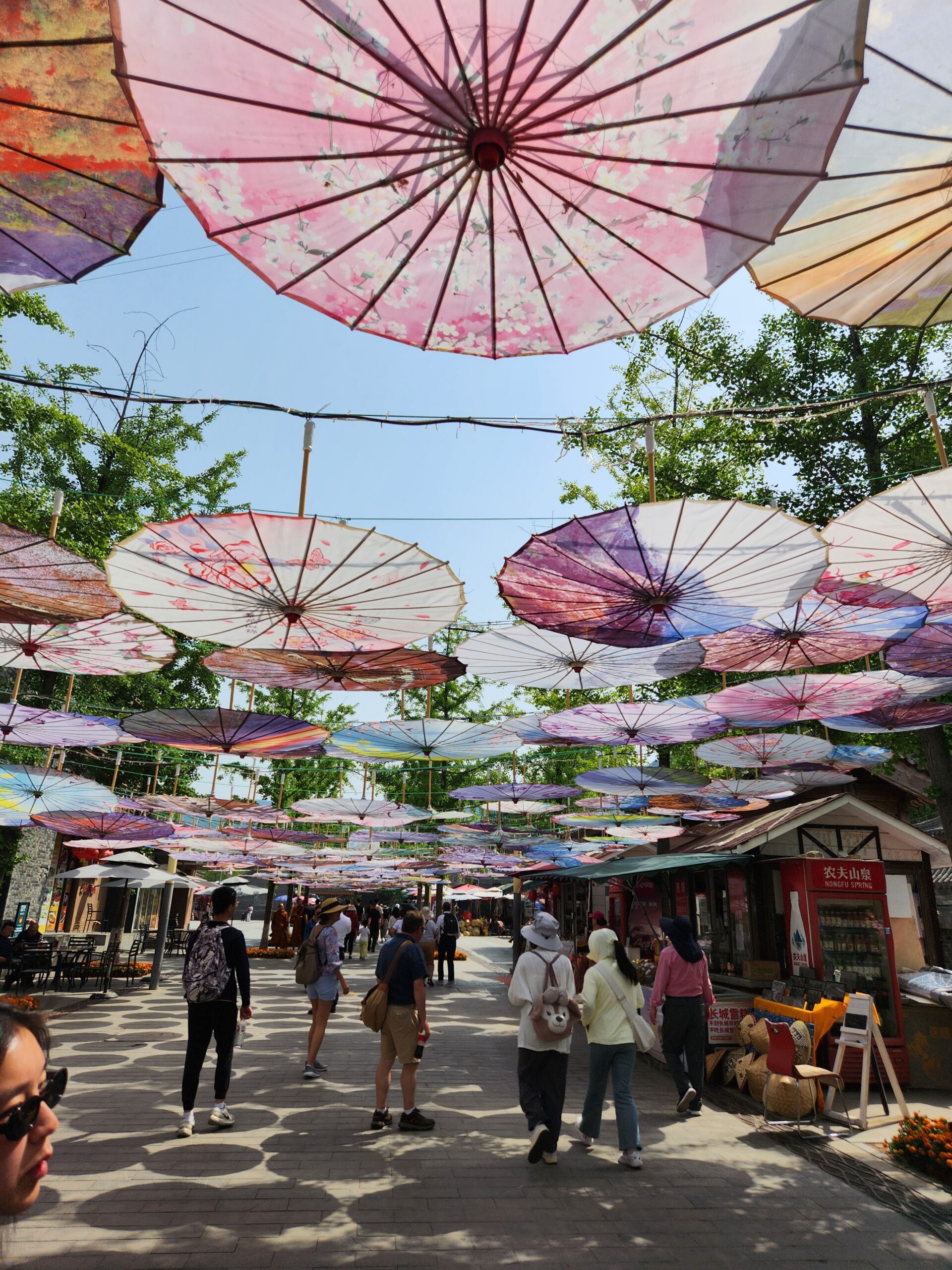
Travel to China
This is a Chinese language course with a field study component, which is designed to put students’ linguistic skills to use as well as to deepen their understanding of contemporary China through first-hand experience. The curricula of the language training are the same as the regular CHIN 0800 Advanced Chinese II and CHIN 0400 Intermediate Chinese II courses. Students have an option to choose CHIN 0801 or CHIN 0401, depending on their linguistic proficiency and previous training in the target language. The field study travel incorporates a 10-day visit to Beijing and Qufu (曲阜 the hometown of Confucius) in Shandong Province. The proposal of two cities—the capital and a 4th-tier city—would provide social context for students to observe, compare and evaluate contemporary China’s daily life and work, economy and urbanization, infrastructure and technology, education, preservation of tradition, etc. Students will meet local college students in both cities and exchange ideas with their contemporary Chinese peers.
Travel Over Winter Break 2025
Compassionate Leadership: “The Power of Love, Service and Inner Work”: Experiencing the Life of Mahatma Gandhi and other Compassion-based leaders
Tia Gaines, Rev. Chaz Howard, and Nimo Patel, Asian American Studies; School of Arts and Sciences
Travel to India
This course invites students to explore the legacies of Compassion–based leaders like Mahatma Gandhi, Grace Lee Boggs, Nipun Mehta, Tony Hsieh and more. Through analysis of their lives, teachings and practices, participants will examine and practice the principles of nonviolence, service, the transformative power of love, and the “inner-work” required to have a deeper impact in the world. The course will highlight how these leaders’ approaches to social change and ethical living can be applied in today’s globalized world. The course will focus on constructive and experiential application, reflection and critical analysis, personal practices and experiments (“inner-work”) that the students will do to experience the philosophy and actions of these leaders first-hand and not just intellectually. It will require stepping a bit deeper into the Philadelphia community as well, through group activities such as a walking pilgrimage in the city, a volunteer service project, a campaign utilizing the power of ‘non-violence’ and more. The course will culminate in January 2026 with a service trip with Nimo and Chaz to the Gandhi Ashram in Ahmedabad, Gujarat, India to explore the learnings and ideas practiced through the course. The Gandhi Ashram is one of the most iconic sites in India, as it is the birth-place of the non-violent freedom movement of India that Mahatma Gandhi started in 1917, after moving back to India from South Africa. Ahmedabad city, is the 1st UNESCO World Heritage City of India and one of only 3 in the Country.
Darwin’s Laboratory: History, Philosophy, Evolution and Social Ecology in the Galápagos Archipelago
Dr. Michael Weisberg, Philosophy; School of Arts and Sciences
Travel to Galápagos
Charles Darwin’s first impression of the Galápagos was not a positive one. Upon landing on San Cristóbal Island, he was underwhelmed, commenting that the island reminded him of “what we might imagine cultivated parts of the Infernal regions to be.” But Darwin quickly recognized that the Galápagos is a unique place to study geology and natural history. We will follow in his footsteps, studying ecology, evolution, and the natural history of Galápagos, along with the growing impact of humans on this fragile place. The course will culminate in a visit to the Galápagos archipelago to examine first-hand the issues and theories discussed throughout the seminar.
Energy Security and Geopolitics
Dr. Scott Moore, Department of Political Science; School of Arts and Sciences and
Thomas J. Shattuck, Perry World House
Travel to Taiwan
Thanks to the near-total dependence on fossil energy, Taiwan most likely has the strongest geopolitical motivation in the world to invest in renewable energy yet have done so only tentatively. This course would likely be the first such class on climate geopolitics to be offered at a major American university. Major topics to be covered include climate science and policy; energy systems; geopolitical theory; environmental security; and cross-straits relations. The course will inform a book manuscript underway.
Health and the Healthcare System in Chile
Dr. Eileen Lake, Biobehavioral Health Sciences; School of Nursing
Travel to Chile
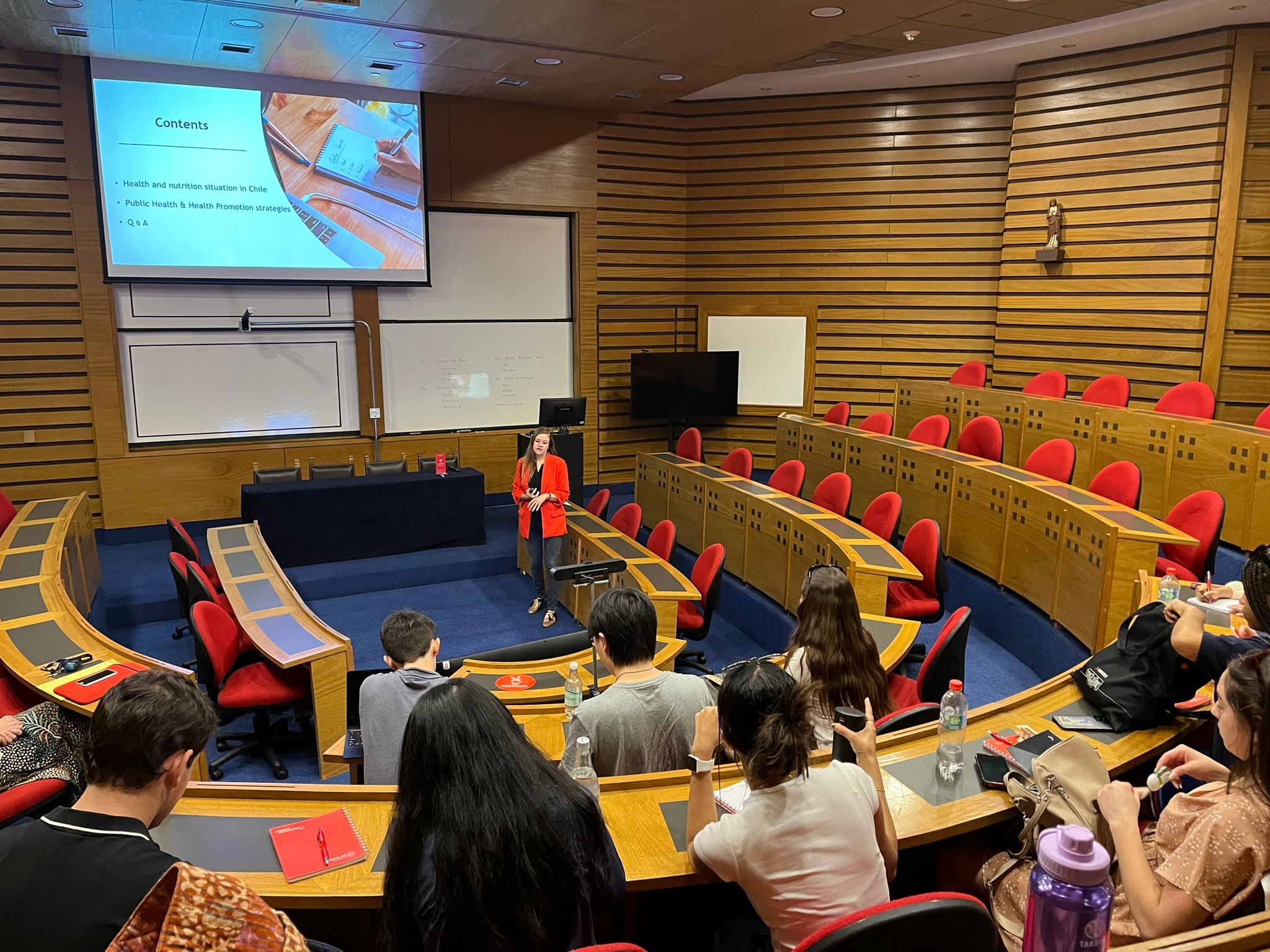
This seminar provides interdisciplinary perspectives on health and illness in Chile, health system organization and financing, the health workforce, national health priorities, strategies, and recent reforms. Penn faculty in nursing, sociology, demography, economics, and Wharton share their expertise. The winter break field experience, which is summertime in Chile, focuses on health services delivery in metropolitan Santiago, including visits to a public and a private hospital, a primary care center, and a geriatric institute. Chile’s unique political and economic history provides the context for its current healthcare system and challenges. Therefore, we also visit cultural sites, notably the homes of the Nobel poet Pablo Neruda, the Museum of Memory and Human Rights, the bustling port city and bay of Valparaiso, and historic and government sites in the city of Santiago.
Travel Over Spring Break 2026
American Race: A Philadelphia Story
Dr. Fariha I. Khan; Asian American Studies Program, School of Arts and Sciences and Fernando Chang-Muy, JD; Penn Carey Law
Travel to Greece
This introductory course frames the academic study of race in the United States through dialogue and a multi-disciplinary approach with a focus on international law, U.S. law, and the lived experience in Philadelphia. Specific themes on race are analyzed through readings, class discussions, and interactive engagement with local community leaders, scholars, and activists. The historical and contemporary overview introduces key concepts of race and racialization in relation to U.S. and international laws, key theoretical methodologies, and major scholarly works. The course will also offer a specialized international focus on Greece as a case study and travel to Athens to work with local NGOs. American Race: A Philadelphia Story has been supported by the Stavros Niarchos Foundation (SNF) Paideia Program, which serves as a hub for civic dialogue in undergraduate education at Penn.
The Biochemical Engineering of Wine
Dr. Bomyi Lim and Dr. Talid Sinno, Chemical and Biomolecular Engineering; School of Engineering and Applied Science
Travel to Argentina
This course is offered parallel to CBE 5560: Biochemical Engineering of Wine. The course including the travel component will be CBE 4560, which will be restricted to undergraduate students only. This course surveys the biochemistry and biochemical unit operations involved in the commercial production of modern wines. Topics will include grape growing, pressing, fermentation, filtration, and packaging/aging. Emphasis will also be placed on yeast microbiology and wine biochemistry. Lectures will be supported by wine tasting sessions to highlight the important characteristics of different wine types. The travel component will feature visits to wineries in Mendoza, Argentina, to learn from the wineries about winemaking processes and techniques as well as regional responses to climate change.
The Functions of Art
Dr. Errol Lord; Department of Philosophy; School of Arts and Sciences
Travel to Italy
Art is a perennial human institution. We write, act, dance, paint, make orchestrated noise. Many live and die for these activities. Sometimes they make people rich, but for the most part that is not why we do them. Sometimes they aid in the production of scientific knowledge, but for the most part that is not why we do them. This can easily seem strange. Why place so much value in this vast collection of sounds, pieces of wood, words in files across the world’s vast servers? It seems like our obsession with art must spring from a deep well of humanity, but its functions remain obscure. This course is about functions of art across time, told from the perspective of philosophy of art and its history. Given the nature of the travel component of the course, we will focus most of our attention on visual art. We will consider five different types of function: Moral, religious, aesthetic, transcendental, and political. The first half of the course will build up to our Spring Break trip to Italy–to Florence, Padua, and Venice. Our trip will focus not only on the huge variety of masterpieces we will see, but also on their social, religious, and aesthetic functions. We will be particularly interested in how these functions interact with their physical setting, whether it be in a church, monastery, or museum. In the second half of the course, we will also make trips to the Barnes Collection and the Philadelphia Museum of Art, focusing on their world class collections of 19th and 20th century art.
Lactation and Public Health Advocacy in the Dominican Republic
Elizabeth Harbuck, MSN, RN, C-EFN, CBC, Cara McGuinness CNM, MSN, and Dr. Diane Spatz, School of Nursing
Travel to the Dominican Republic
This course examines the intersections of reproductive health, lactation, and public health efforts in the Caribbean and the United States. The Dominican Republic has one of the lowest breastfeeding exclusivity rates (4%) and one of the highest rates of cesarean delivery (63%) globally. This course engages students in comparative analyses of structural, cultural, and colonial influences on lactation and birth practices in the United States and the Dominican Republic. Students will explore advocacy strategies for lactation and midwifery in both high-resource and low-resource settings. Students will travel during the month of March 2026 during Penn’s Spring Break period to the Dominican Republic for an immersive learning experience.
Palermo: Empires, Migrations, and Mafia
Dr. Domenic Vitiello, Urban Studies Program from Weitzman School of Design
Travel to Italy
This seminar explores the history and contemporary experiences of the peoples of Palermo, Sicily, especially its migrant communities. Historically one of the most “conquered” cities in the world and today the fifth largest city in Italy, Palermo is an important site to consider critical questions about: race and ethnicity, diversity and intercultural relations, organized crime, power and exploitation, mobility and human rights, among other issues at the intersection of migration and cities. In the first half of the semester, we will survey Palermo’s long history, with a focus on its different rulers (including the mafia), migrations, and the relationships, experiences, identities, and impacts of different peoples on the city, its social life, built environment and cultures. The class trip over spring break will include visits to and assignments exploring: 1) historic sites, museums, and neighborhoods related to the historic peoples of Palermo; and 2) contemporary migrant neighborhoods, shops, and organizations with our hosts and cultural mediators from the communities we visit. Migrant leaders long involved in city government and civil society will be our partners in this trip, helping us engage with migrant communities. In the second half of the semester, our readings, discussions, and assignment will expand our focus on the contemporary politics of immigration, inclusion, and related topics in Italy and Europe. Students will identify specific topics they wish to explore and help lead our conversations about readings and other material we choose to explore.
Paris under the German Occupation and Its Places in [Non-] Memory
Mélanie Péron, Department of Francophone, Italian, and Germanic Studies; School of Arts and Sciences
Travel to France
This seminar will aim to understand the dark historical period of WWII France through the study of the visible and invisible traces left on French memory and the Parisian landscape. The class will start by studying the conventional history of Vichy France, then turn to the writers who testified of that time, some as victims, others as witnesses or coming from the post-memory generation. Each of them has, in his or her own way, tried to find the words to fill the places of non-memory. The course will be open to French speakers and non-French speakers alike and will feature two recitation sections: one in French and one in translation. The travel component will feature visits to key sites of the German occupation and trace the lives of the key Parisian residents whose first-person accounts make up the bulk of the course readings.
Writing Health and Healing in Botswana
Dr. Sara Byala, Critical Writing Program; School of Arts and Sciences and
Dr. Rebecca Tenney-Soeiro, Children’s Hospital of Philadelphia
Travel to Botswana
Fulfills Writing Seminar Requirement. Priority will be given to first-year students, but all students (except graduating seniors) who have not yet taken a writing seminar are eligible to apply.
This writing seminar investigates health and healing in contemporary Botswana and will include travel to the Children’s Hospital of Philadelphia’s Botswana partnerships in Gaborone. Using a case study of a hospital ward in Gaborone as its primary text, students will investigate and write white papers that speak to areas of interest to partners on the ground whom we will then visit. In collaboration with CHOP, students will learn about medical narratives and medical writing. This seminar follows the curriculum of all writing seminars, so that significant attention will be devoted to peer review and revision in the interest of producing multiple authentic genres. The course will focus on creating a set of transferable writing skills that are informed by real world writing experiences that transcend the global north/south divide.
Travel in May 2026
Case Studies in Environmental Sustainability
Dr. Alain Plante, Department of Earth and Environmental Science; School of Arts and Sciences
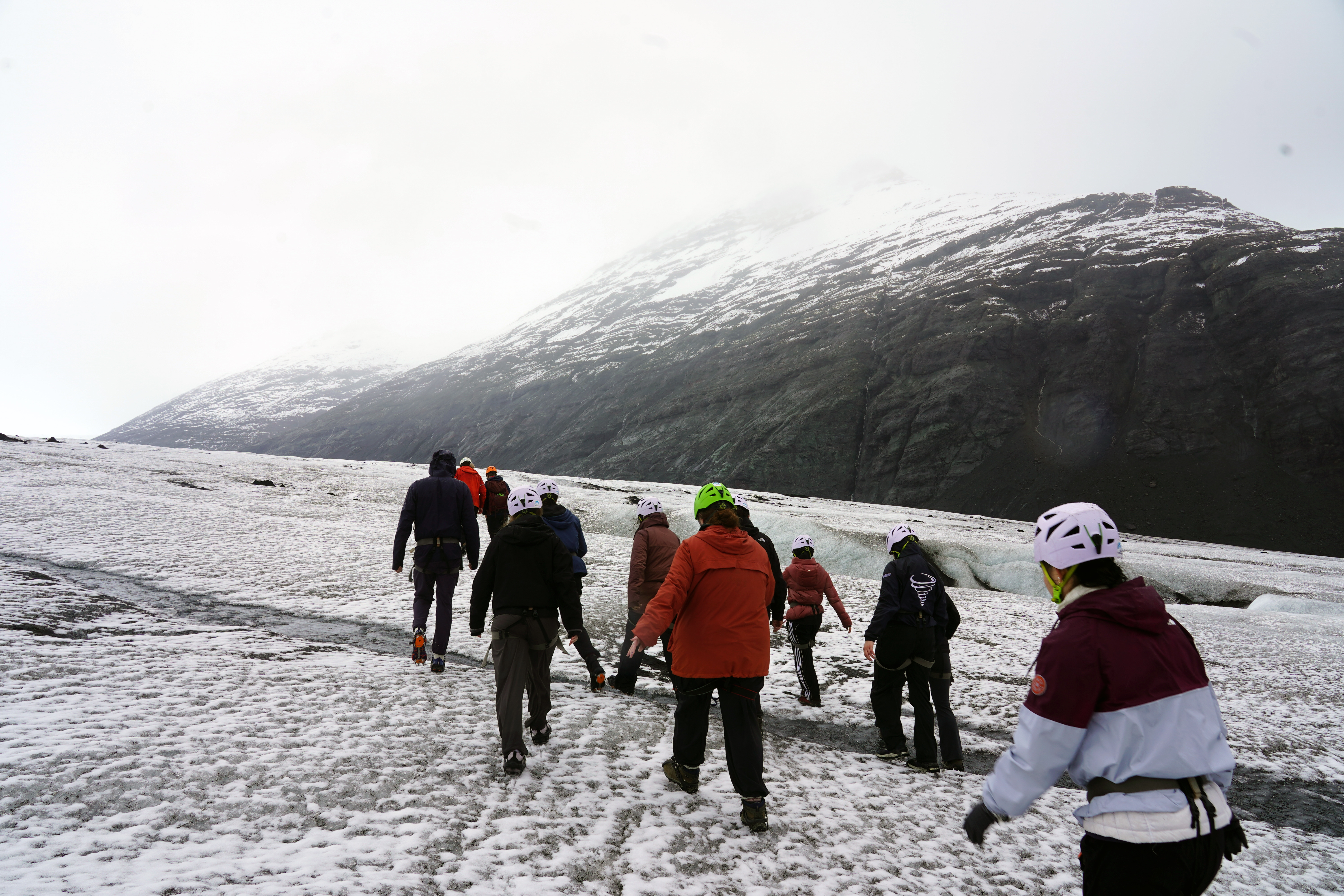
Travel to Iceland
This course introduces students to Earth and environmental issues (understanding how humans interact with and are influenced by our environment) through analysis of several environmental cases studies, to demonstrate what goes into environmental decision-making. Students will select, research, construct, and present a case study on an environmental topic specific to Iceland. Potential case study topics within environmental sustainability can span the natural sciences, social sciences or the humanities. Case studies will be put into practice during the end-of-semester field trip through site visits with local university faculty and practitioners.
Caves, Cathedrals, and Curiosities: Unearthing Stories on the Chemin des Dames in France
Lisa Britton, Department of Francophone, Italian, and Germanic Studies; School of Arts and Sciences
Travel to France
Embark on an immersive exploration of the Chemin des Dames, an historic road in the Aisne region of northern France. In partnership with the Kislak Center for Special Collections, students will acquire skills to engage with cultural, linguistic, and historical landscapes through a weekly consideration of curated local artifacts. The study of primary sources including letters, journals, photographs, and artistic sketches, will unearth seminal narratives from the devastation of World War I to the renewal and modernization of the post-war Reconstruction era. Students will discover the stories of young men and women – including University of Pennsylvania students – whose diverse lives were indelibly marked by their passage through this terrain. Travel in France will yield panoramic views of the entire region as students navigate the Chemin des Dames on foot, descend into ancient caves, ascend cathedral towers, and interact with otherwise inaccessible private collections. This interdisciplinary course invites students to align their academic interests with a focused area of study and pursue their research in the field by daily engagements with museum curators, historians, artists, and local figures. This will be a unique opportunity to contribute to ongoing initiatives to preserve the cultural heritage of the Chemin des Dames and rekindle Penn’s historical connections with this fascinating region of France.
Chinese Language and Culture: High Intermediate Chinese II
Dr. Ye Tian and Jing Hu; Department of East Asian Languages and Civilizations; School of Arts and Sciences
Travel to China
This course is designed to enhance students’ proficiency in the Chinese language and to deepen their comprehension of culture, society, people, and daily life in contemporary China. It covers a wide range of topics, including China’s social and cultural issues, such as its infrastructure and manufacturing, economic reforms, ethnic minorities, population policies, aging concerns, E-commerce, and 5G technology. To foster a comprehensive learning experience, students will be partnered with language partners from institutions in China. This partnership will afford them the opportunity for online discussions with their Chinese counterparts on various facets of Chinese society and culture. Traveling to China will include meetings with their Chinese language partners at the partner institutions, exploring historical and cultural sites, museums, and exhibitions, and applying their classroom learning to real-life situations. This immersive experience will enable them to develop a profound understanding of Chinese society and enhance their intercultural competence. Students who are interested in enrolling in this seminar should have completed High Intermediate Chinese I (CHIN 0500) in the preceding fall semester or demonstrate equivalent proficiency as determined by the placement test.
Communicating Change in Mongolia
Dr. Aurora MacRae-Crerar, Critical Writing Program; School of Arts and Sciences
Travel to Mongolia
Fulfills Writing Seminar Requirement. Priority will be given to first-year students, but all students (except graduating seniors) who have not yet taken a writing seminar are eligible to apply.
Mongolia is experiencing monumental change. This landlocked country is becoming hotter and drier faster than most other places on the planet. Along with the climate, Mongolian culture is dramatically changing. For millennia, nomadic herding across the expansive steppe has been the central way of life. Now, the country is experiencing unprecedented urbanization rates, with over half of Mongolians moving to cities within the past thirty years. Such drastic changes make Mongolia an invaluable window into the hotter, more urbanized future facing us all across the globe, including new challenges for dialogue about climate change and with the people we find ourselves in new and unprecedented proximity and kinship with. In this writing seminar, we will hone both our science communication skills and our intercultural dialogue skills across international borders in order to explore the intertwined effects of climate and culture in Mongolia and beyond. Students participate in collaborative work and dialogue with individuals, classes, and organizations outside of Penn, from Philadelphia to Ulaanbaatar.
Development of Science in Japan
Dr. John Kehayias, Critical Writing Program; School of Arts and Sciences
Travel to Japan
Fulfills Writing Seminar Requirement. Priority will be given to first-year students, but all students (except graduating seniors) who have not yet taken a writing seminar are eligible to apply.
This course will follow the same rigorous curriculum, assessment process, and standards as all critical writing seminars. The topic of this writing seminar is how science developed in modern Japan, from samurai origins of early Japanese physicists to part of the power and identity of Japan currently. Over the years there has been debate and tension of the role of science and scientists in the country. The state has tried to use science for nationalistic aims and power, while other scientists have had differing goals in advancing public good or understanding. The conflicts of East and West, traditional and modern, and the role of science in WWII continue to have lasting effects on modern science in Japan. This course includes travel to Japan, where we will visit historical, cultural, and scientific sites, as well as interact with Japanese and foreign scientists, to further explore this topic.
Global Business Communication for Impact
Sara Mangat and Jacqueline De Ritis Feild; The Wharton School
Travel to China
Limited to Wharton students; WH 2011 satisfies the requirement for WH 2010.
A concise email, a persuasive pitch, a strong presence in a meeting—these are the skills that shape careers. But success in the U.S. doesn’t always translate abroad. What works seamlessly in a New York boardroom may fall flat in Singapore or require a different approach in Berlin. In a world where business spans industries, borders, and cultures, the ability to adapt how we communicate is essential for influencing decisions and driving meaningful outcomes. This interactive, practice-based course equips students with foundational business communication skills that are critical in the early stages of their careers and beyond. Through case studies and simulations, students will learn how to present ideas persuasively, navigate professional hierarchies, and respond to different cultural and organizational norms. The seminar culminates in an immersive international experience, where students will apply their learning in real-world settings. Through company visits, discussions with executives, and cultural exploration, students will gain firsthand insight into how communication practices vary across industries and regions. Travel serves as a powerful mirror—challenging perspectives, revealing cultural blind spots, and strengthening the ability to lead and collaborate. By the end of the course, students will not only have a strong foundation in business communication but also the practical skills and global mindset to succeed in any professional setting—whether in the U.S. or abroad.
Pacific Worlds: Vietnam
Dr. Frederick Dickinson, Department of History; School of Arts and Sciences
Travel to Vietnam
Reflecting our increasingly diverse world and echoing scholarly attempts to move beyond the bounds of national and imperial histories, this Penn Global Seminar highlights the interaction of peoples and cultures across what may be described as the most dynamic world region of the twenty-first century. While discussions of Mediterranean, Atlantic and Indian Ocean Worlds are now commonplace, scholars have, to date, paid less attention to the idea of a Pacific World or Worlds. How useful is it to identify a “Pacific World” before and after the Age of Discovery—that is, to locate distinctive patterns of human, material and cultural exchange across the Pacific before and after the flood of European power from the fifteenth century? What has been the effect of the rise of the nation-state, modern empires, modern war and globalization? How critical are national and/or imperial legacies to enduring patterns of human interaction and exchange in the twenty-first century Pacific? As global economics, politics and culture increasingly tilt toward the Pacific, we will attempt to uncover the source of the region’s extraordinary energy. Each iteration of this Penn Global Seminar will include a travel component to a different area of the Pacific.
Sacred Stuff: Religious Bodies, Places, and Objects
Dr. Donovan Schaefer, Department of Religious Studies; School of Arts and Sciences
Travel to the United Kingdom
Does religion start with what’s in our heads? Or are religious commitments made, shaped, and strengthened by the people, places, and things around us? This course will explore how religion happens in the material world. We’ll start with classical and contemporary theories on the relationship of religion to stuff. We’ll then consider examples of how religion is animated not just by books, but through interactions with objects, spaces, bodies, monuments, color, design, architecture, and film. We’ll ask how these material expressions of religion move beyond private faith and connect religion to politics and identity.
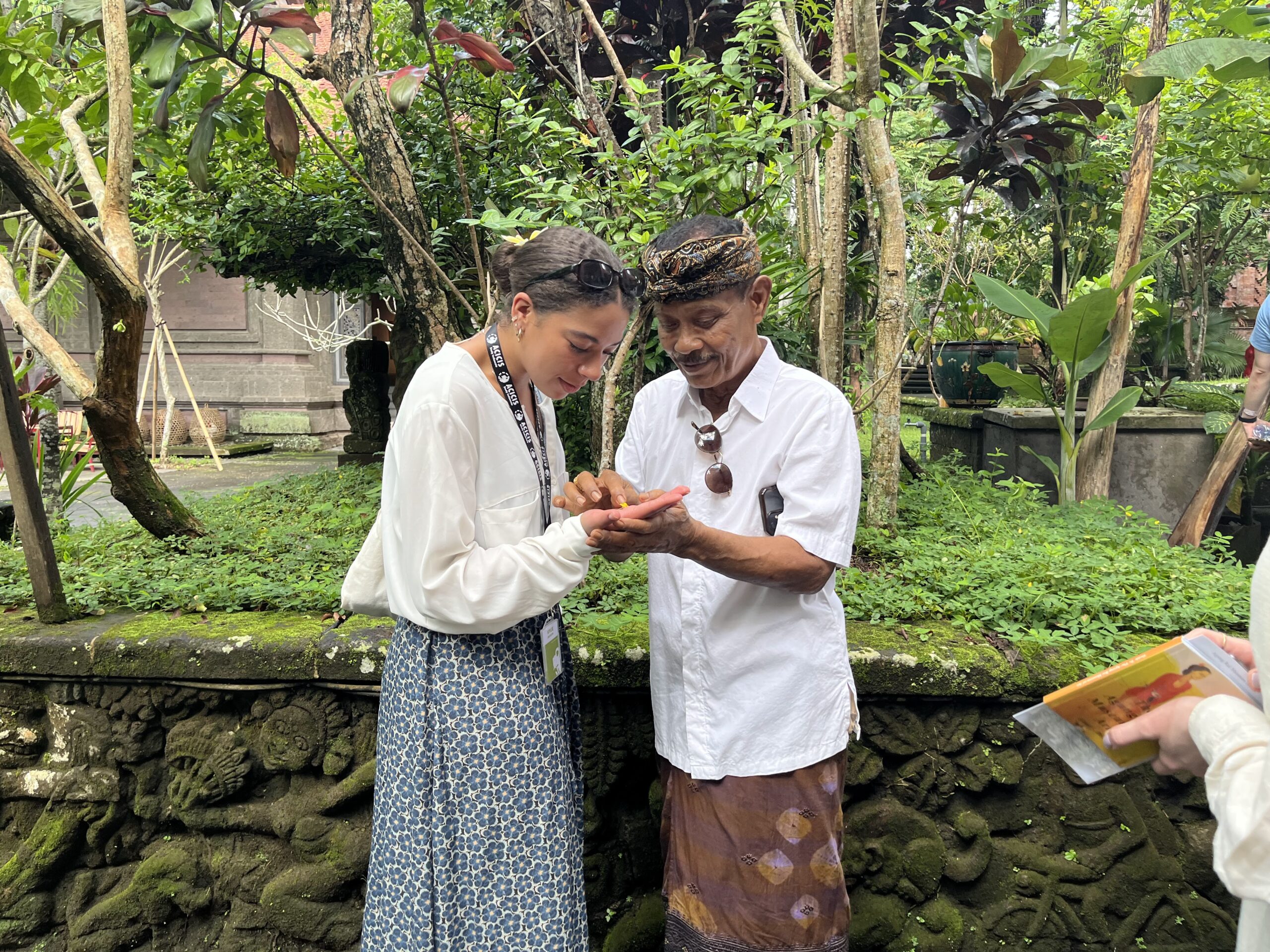
Tourism, Sustainability, and Local Impact in Indonesia
Dr. Helen Jeoung, Critical Writing Program; School of Arts and Sciences
Travel to Indonesia
Fulfills Writing Seminar Requirement. Priority will be given to first-year students, but all students (except graduating seniors) who have not yet taken a writing seminar are eligible to apply.
In this writing seminar we focus on Indonesia as a window into the complex dynamics and impacts of tourism. Many visitors travel to Bali and other Indonesian destinations for cultural exploration, adventure tourism or beach vacations. The tourism industry supports the local economy and promotes cultural heritage, yet tourism has an uneasy relationship with Balinese culture, religious traditions, the local economy, and environmental sustainability. We explore these issues by reading Sylvine Pickel-Chevalier’s book, Tourism in Bali and the Challenge of Sustainable Development, after which students pursue subsequent research and writing on related topics. This course includes travel to Bali at the end of the semester, where we will connect with local institutions and visit a range of sites to view first-hand the impacts of tourism.